Strong Growth Driven by Food and Beverage Demand
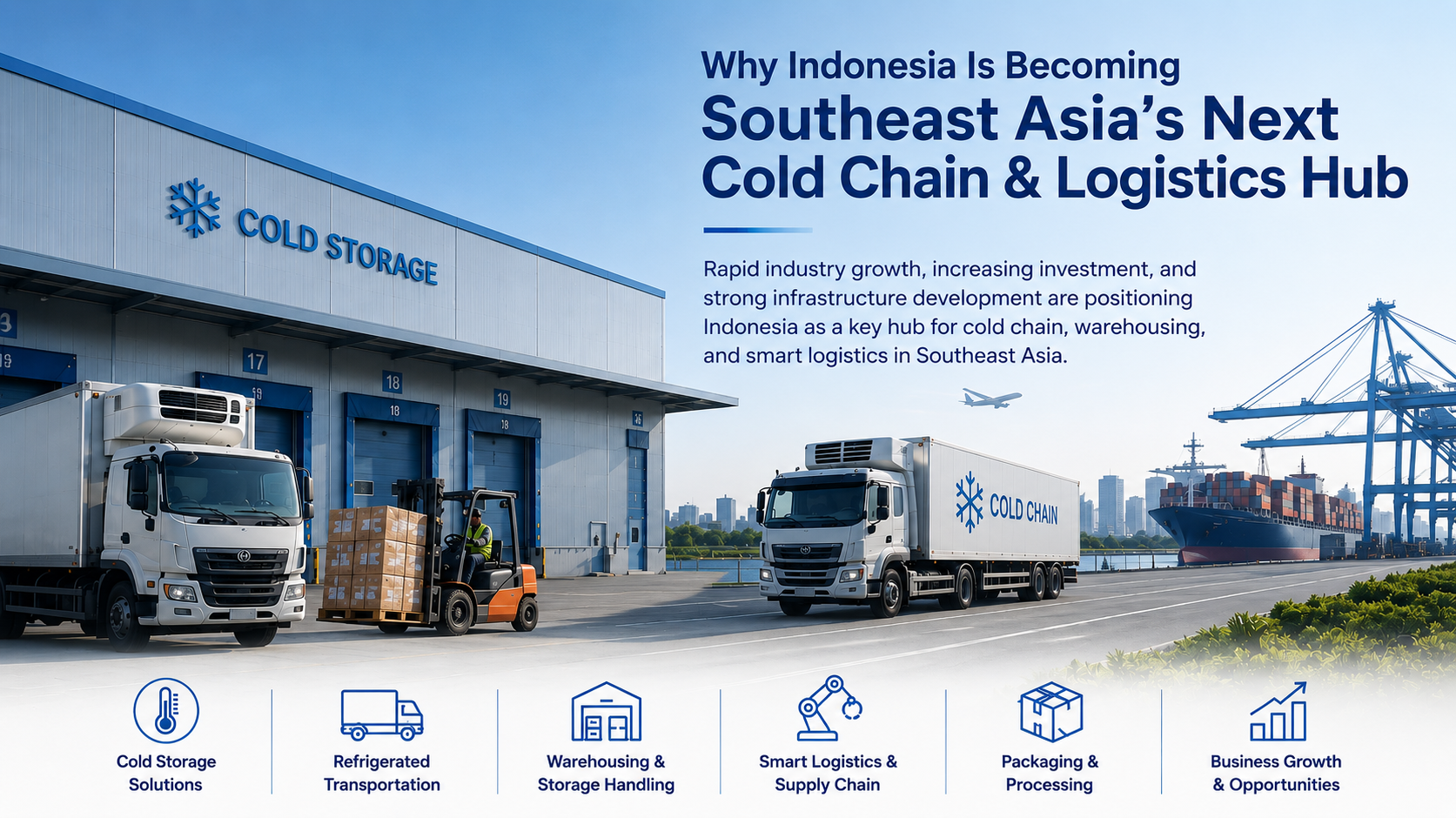
Indonesia's population of over 280 million people, combined with rising urbanization and changing consumer lifestyles, has significantly increased demand for fresh, frozen, and processed food products. The expansion of modern retail chains, supermarkets, quick-service restaurants, and online grocery platforms has accelerated the need for reliable cold storage facilities and temperature-controlled transportation networks...
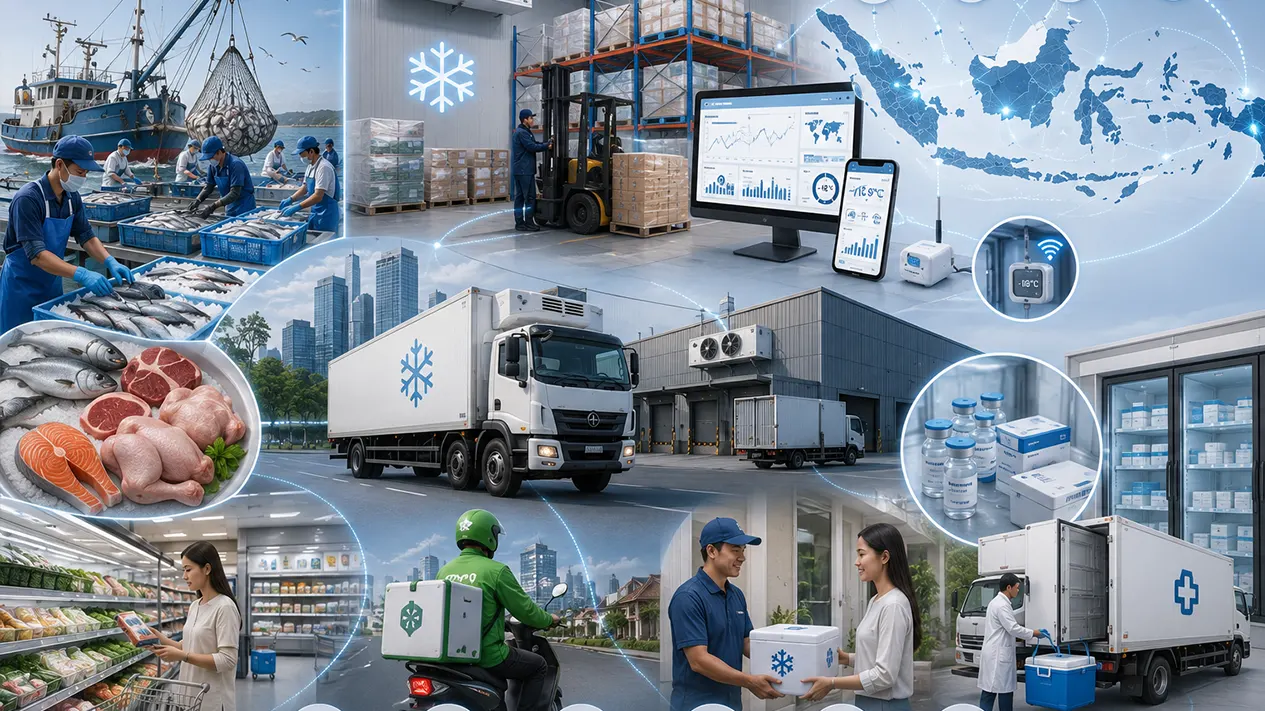
Seafood, meat, poultry, dairy products, fruits, vegetables, and frozen foods represent some of the largest segments driving cold chain investment across the country. As consumer expectations for food quality and freshness continue to rise, businesses are investing in modern cold storage infrastructure and advanced refrigeration technologies to strengthen their supply chains.
Expanding Opportunities in Seafood and Meat Processing
Indonesia is one of the world's leading producers of seafood and a growing market for meat and poultry products. However, maintaining product quality throughout the supply chain remains a challenge due to Indonesia's vast geography and archipelagic nature.
To address these challenges, seafood processors, meat producers, exporters, and distributors are increasingly adopting integrated cold chain solutions. Investment in blast freezers, refrigerated warehouses, cold storage facilities, and refrigerated transportation systems is expected to continue growing through 2027.
The development of a stronger cold chain ecosystem will play a vital role in reducing food loss, improving export competitiveness, and supporting national food security objectives.
The Rise of Refrigerated Transportation
Transportation remains one of the most critical components of the cold chain industry. As distribution networks expand across Indonesia, demand for refrigerated trucks, reefer containers, fleet monitoring systems, and temperature-controlled logistics services continues to increase.
Companies are also adopting digital technologies such as GPS tracking, real-time temperature monitoring, Internet of Things (IoT) sensors, and cloud-based logistics platforms to improve visibility and maintain product integrity throughout the transportation process.
By 2027, refrigerated transportation is expected to become increasingly integrated with smart logistics and supply chain management systems, enabling greater operational efficiency and reliability.
Digital Transformation and Smart Cold Chain Solutions
Technology is reshaping the future of Indonesia's cold chain industry. Businesses are implementing advanced monitoring systems, automation, artificial intelligence, and data analytics to optimize operations and reduce costs.
Some of the fastest-growing technology segments include:
- IoT-based temperature monitoring
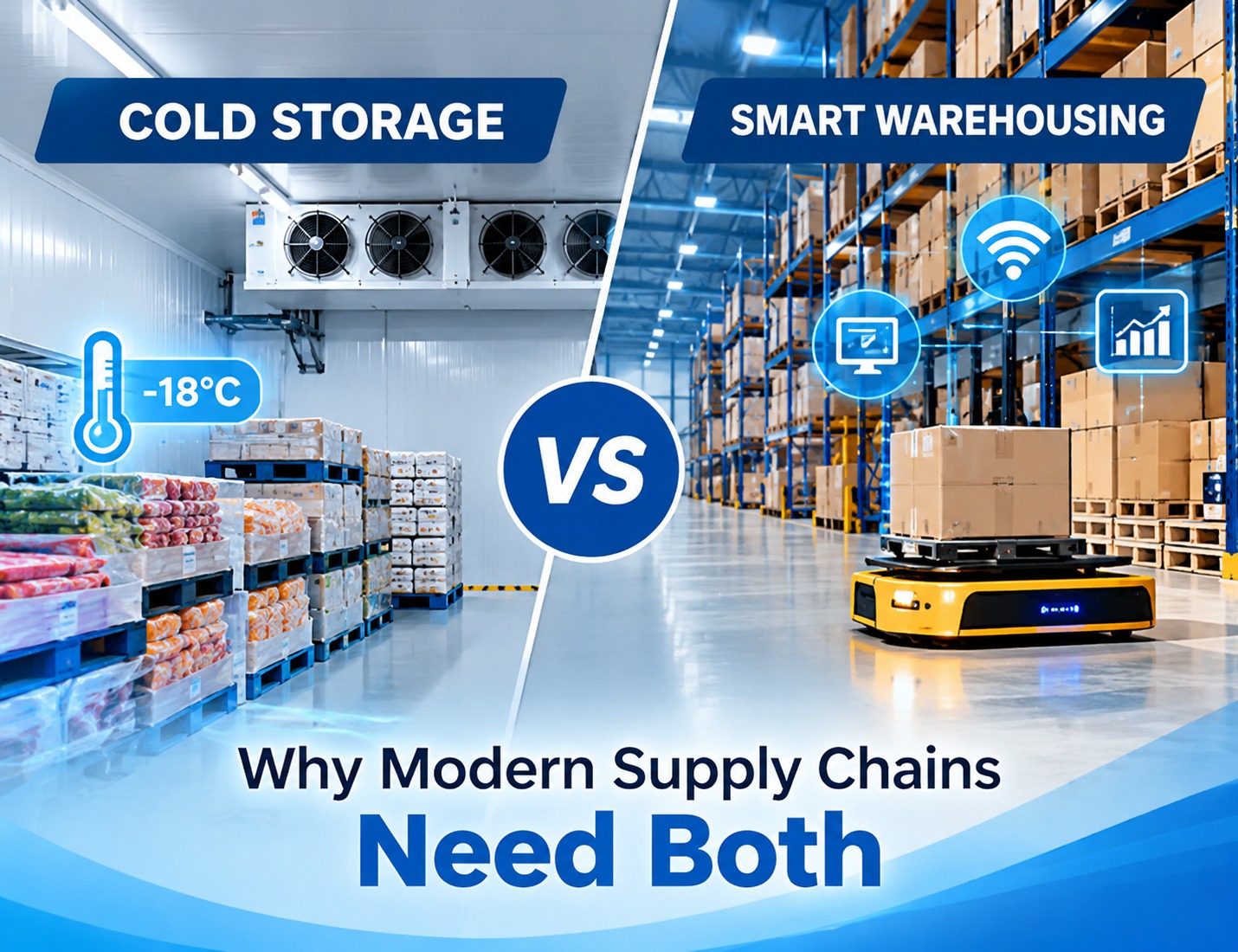
- Smart warehouse management systems
- Automated cold storage facilities
- AI-driven demand forecasting
- Digital fleet management platforms
- Supply chain visibility solutions
These innovations are helping companies improve inventory control, reduce spoilage, and achieve greater supply chain resilience.
Pharmaceutical Cold Chain Expansion
Beyond food and beverage applications, the pharmaceutical sector is emerging as a significant growth driver for Indonesia's cold chain market. Vaccines, biologics, medical products, and temperature-sensitive pharmaceuticals require strict temperature control throughout storage and distribution.
The continued modernization of healthcare infrastructure and growing demand for pharmaceutical logistics services are expected to create new opportunities for cold chain operators, technology providers, and logistics companies.
Challenges Facing the Industry
Despite its strong growth potential, Indonesia's cold chain industry still faces several challenges:
- Limited cold storage capacity in some regions
- High energy consumption and operating costs
- Infrastructure disparities between urban and remote areas
- Limited availability of skilled cold chain professionals
- Increasing demand for sustainability and energy efficiency
Addressing these challenges will require collaboration between industry stakeholders, government agencies, technology providers, and logistics operators.
Outlook for 2027
The outlook for Indonesia's cold chain market remains highly positive. Continued investment in food processing, seafood exports, pharmaceuticals, warehousing, and logistics infrastructure is expected to drive sustained growth across the industry.
Businesses that invest in modern refrigeration systems, smart cold chain technologies, and integrated supply chain solutions will be well-positioned to capitalize on emerging opportunities in one of Southeast Asia's fastest-growing markets.
As Indonesia continues to strengthen its supply chain infrastructure, the cold chain industry will play a crucial role in supporting economic growth, food security, export competitiveness, and sustainable development.
Discover the Future of Indonesia's Cold Chain Industry
Connect with leading cold chain operators, refrigeration technology providers, logistics companies, seafood and meat processors, warehousing specialists, and supply chain innovators at IISM & Indonesia Cold Chain Expo 2027.
Explore the latest technologies, industry trends, business opportunities, and strategic partnerships shaping the future of Indonesia's integrated supply chain ecosystem.